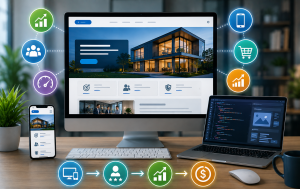
A website is often the first interaction people have with a business. Whether someone wants to learn about your services, compare products, or contact your team, their experience on your website influences how they feel about your brand. A slow, confusing, or outdated website can discourage visitors, while a well-developed website encourages them to stay longer and take action.
Modern website development is not just about creating attractive pages. It focuses on building a fast, secure, and user-friendly website that helps visitors find information easily. A positive customer experience increases trust, encourages engagement, and supports long-term business growth.
Why Customer Experience Matters for Every Business Website
People expect websites to be simple, fast, and easy to use. When visitors can quickly find the information they need, they are more likely to trust your business and return in the future.
A website designed with the customer in mind creates a positive first impression and strengthens your online reputation.
Create a Fast and Responsive Website
Visitors expect pages to load quickly on desktops, tablets, and smartphones. Slow websites often cause frustration and encourage users to leave before exploring your services.
A fast-loading, mobile-friendly website provides a smoother browsing experience and helps businesses retain more visitors.
Make Navigation Simple and Easy
Customers should never struggle to find important information. Clear menus, organized pages, and logical navigation help visitors move through your website with confidence.
Simple navigation improves usability and allows users to complete tasks without unnecessary effort.
Design With the Customer in Mind
An attractive website should also be practical. Clean layouts, readable fonts, balanced colours, and consistent branding make information easier to understand.
Good website design helps visitors stay focused on your content instead of becoming distracted by unnecessary elements.
Provide Helpful and Valuable Content
People visit websites to find answers, solve problems, or learn about products and services.Publishing original content, detailed service pages, helpful blogs, and frequently asked questions improves the overall customer experience.
Useful information also builds trust and encourages visitors to spend more time on your website.
Improve Website Accessibility
Every visitor should be able to use your website comfortably. Clear headings, descriptive image alt text, readable text, and accessible navigation make your website easier for a wider audience to use.
An accessible website demonstrates that your business values every customer.
Build Trust With Security and Transparency
Customers feel more comfortable sharing their information on secure websites. Using HTTPS, displaying contact details, explaining privacy practices, and showing genuine customer testimonials increase confidence in your business.
Trust plays an important role in encouraging enquiries and conversions.
Guide Visitors With Clear Calls-to-Action
Every important page should include a clear Call-to-Action (CTA) that tells visitors what to do next. Whether it is requesting a quote, booking a consultation, or contacting your team, simple CTAs make decision-making easier.
Well-placed CTAs improve user experience while supporting business goals.
Continue Improving Your Website Over Time
A successful website evolves with changing customer needs. Regularly updating content, fixing technical issues, improving page speed, and reviewing visitor behaviour helps maintain a high-quality experience.
Continuous improvement ensures your website remains useful, competitive, and customer-focused.
Conclusion
Effective website development goes beyond attractive design. It creates a digital experience that is easy to use, informative, secure, and focused on customer needs. Businesses that invest in better usability, valuable content, and continuous improvements create stronger relationships with visitors and encourage long-term loyalty.
By putting customers first, your website becomes more than an online presence—it becomes a trusted resource that supports sustainable business growth.
Frequently Asked Questions (FAQs)
1. What is website development?
Website development is the process of building and maintaining a website that is functional, secure, responsive, and easy for visitors to use.
2. How does website development improve customer experience?
A well-developed website provides faster loading speeds, simple navigation, helpful content, and a smooth browsing experience, making it easier for customers to find what they need.
3. Why is mobile-friendly design important?
A mobile-friendly website ensures users can access your content comfortably on smartphones and tablets, improving satisfaction and engagement.
4. How does website speed affect user experience?
Fast-loading pages reduce waiting time, improve visitor satisfaction, and encourage users to stay on your website longer.
5. Why is website navigation important?
Clear navigation helps visitors quickly locate products, services, contact information, and other important pages without confusion.
6. How can valuable content improve customer experience?
Helpful content answers customer questions, builds trust, and provides the information visitors need to make confident decisions.
7. What role does website security play?
A secure HTTPS website protects user data, increases trust, and creates a safer browsing environment.
8. Why are Calls-to-Action important?
Clear Call-to-Action (CTA) buttons guide visitors toward meaningful actions such as contacting your business, requesting information, or making a purchase.
9. How often should a business update its website?
Regular updates keep information accurate, improve performance, strengthen security, and ensure the website continues meeting customer expectations.
10. Can website development help increase business growth?
Yes. A professional, user-friendly website improves customer experience, strengthens trust, increases engagement, and supports long-term business growth by encouraging more enquiries and conversions.