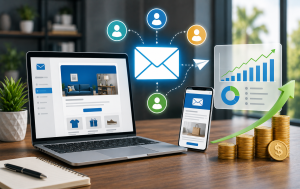
In an age where new digital platforms appear regularly, many businesses wonder whether Email Marketing is still relevant. The answer is yes. While social media and paid advertising continue to grow, email remains one of the most reliable ways to communicate directly with customers.
Unlike platforms that depend on changing algorithms, email gives businesses a direct connection with people who have already shown interest in their products or services. This makes it a valuable marketing channel for building relationships, increasing customer loyalty, and supporting long-term business growth.
Why Email Marketing Continues to Deliver Strong Business Results
Every business wants marketing efforts that create meaningful results without unnecessary expenses. Email Marketing helps businesses share valuable information, promote products, announce special offers, and stay connected with customers in a personal way.
Because messages are delivered directly to subscribers, businesses can communicate with the right audience at the right time, making every campaign more effective.
Build Stronger Customer Relationships Through Regular Communication
Successful businesses understand that lasting growth comes from trust. Sending useful updates, educational content, helpful tips, and relevant offers helps customers feel connected to your brand.
Instead of contacting customers only when making a sale, regular communication builds familiarity and encourages long-term relationships.
Reach People Who Already Show Interest
Unlike many advertising methods that target broad audiences, Email Marketing reaches people who have voluntarily subscribed to receive your updates. These subscribers are often more interested in your business, making communication more relevant and valuable.
This targeted approach helps improve customer engagement and increases the likelihood of meaningful interactions.
Support Customer Loyalty and Repeat Business
Keeping existing customers engaged is often more valuable than constantly finding new ones. Email campaigns can share product updates, seasonal offers, educational resources, and helpful reminders that encourage customers to return.
Consistent communication strengthens customer loyalty and supports repeat purchases over time.
Personalize Messages for Better Customer Experience
Modern email tools allow businesses to send personalized messages based on customer interests, previous purchases, or browsing behaviour.
Personalized communication makes customers feel appreciated and improves the overall customer experience, leading to stronger relationships and better campaign performance.
Measure Campaign Performance with Useful Data
One of the biggest advantages of Email Marketing is the ability to measure results. Businesses can monitor delivery rates, open rates, click-through rates, and conversions to understand what works best.
These insights help improve future campaigns and support smarter marketing decisions.
Combine Email Marketing With Other Digital Strategies
Email Marketing works even better when combined with SEO, Content Marketing, Social Media Marketing, Google Ads, and a professional business website.
For example, businesses can share blog articles through email, promote new products on social media, and guide visitors back to their website, creating a connected digital marketing strategy.
Best Practices for Successful Email Marketing
Successful campaigns focus on providing genuine value instead of sending constant sales messages. Businesses should create clear subject lines, share useful content, personalize communication, and maintain a consistent sending schedule.
Respecting customer preferences and sending relevant information helps build trust and long-term engagement.
Conclusion
Email Marketing continues to be one of the highest ROI marketing channels because it helps businesses communicate directly with interested customers, build stronger relationships, and encourage repeat business. It is affordable, measurable, and suitable for businesses of every size.
Rather than viewing email as just another promotional tool, businesses should use it to educate, support, and connect with customers. Consistent, valuable communication creates trust, strengthens customer loyalty, and contributes to sustainable business growth.
Frequently Asked Questions (FAQs)
1. What is Email Marketing?
Email Marketing is a digital marketing strategy that uses email to communicate with customers, share valuable information, promote products or services, and build long-term relationships.
2. Why does Email Marketing deliver a high return on investment?
It reaches people who have already shown interest in your business, making communication more relevant and increasing the chances of customer engagement and conversions.
3. Is Email Marketing suitable for small businesses?
Yes. Email Marketing is cost-effective, easy to manage, and helps small businesses build customer relationships without requiring a large marketing budget.
4. How often should businesses send marketing emails?
The ideal frequency depends on your audience, but sending helpful and relevant emails consistently is more effective than sending too many promotional messages.
5. What type of content should be included in marketing emails?
Businesses can share educational articles, product updates, special offers, industry insights, newsletters, customer success stories, and helpful tips.
6. Can Email Marketing increase customer loyalty?
Yes. Regular communication, personalized content, and valuable information encourage customers to stay connected with your brand and return for future purchases.
7. How can businesses measure Email Marketing success?
Performance can be measured using metrics such as email delivery, open rates, click-through rates, customer engagement, and conversions.
8. Should Email Marketing be combined with SEO and social media?
Yes. Combining Email Marketing with SEO, Content Marketing, and Social Media Marketing creates a stronger digital marketing strategy and improves overall business growth.
9. What are common Email Marketing mistakes to avoid?
Common mistakes include sending irrelevant emails, ignoring personalization, using misleading subject lines, emailing too frequently, and failing to provide valuable content.
10. How can businesses improve their Email Marketing results?
Focus on understanding your audience, providing useful content, personalizing communication, testing different campaigns, and regularly reviewing performance data to improve future results.